

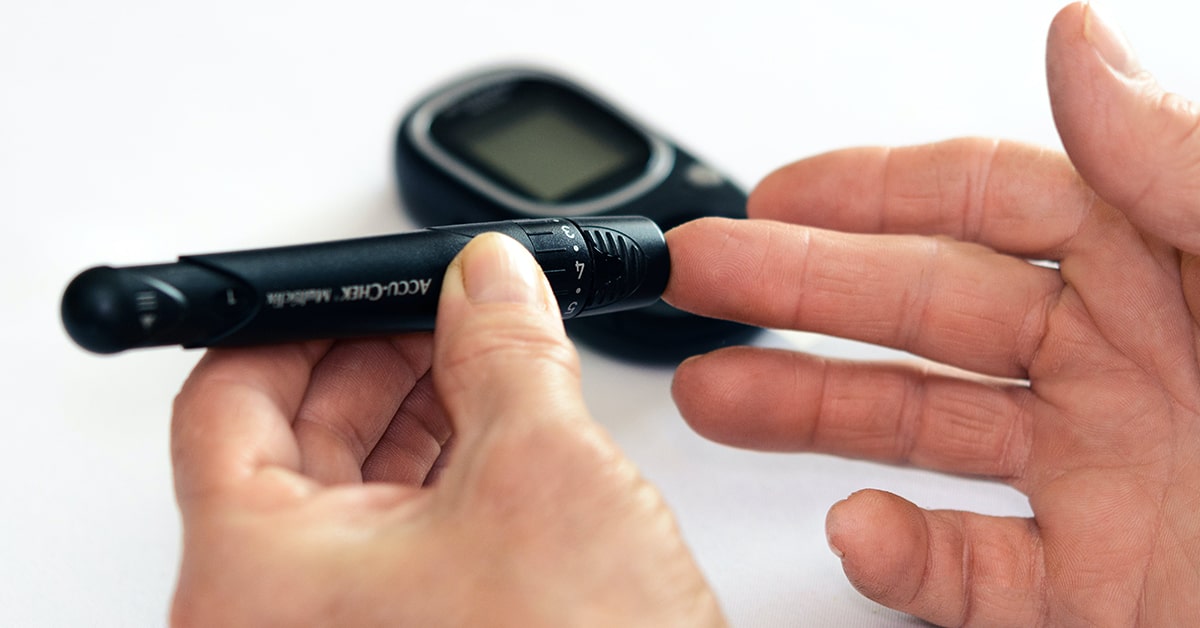
Diabetes mellitus is a disorder caused by insufficient insulin action or a lack of insulin. It is a chronic condition characterized primarily by a disruption in the metabolism of proteins, fats, and carbohydrates, resulting in hyperglycemia—that is, elevated blood sugar levels.
Diabetes mellitus: when does it appear?
Diabetes mellitus occurs when the pancreas stops producing insulin or when the insulin it produces does not function properly. The role of insulin is to facilitate the entry of glucose into cells, thereby ensuring their energy supply. In individuals with diabetes, glucose fails to enter the cells, resulting in elevated blood glucose levels.
Diabetes mellitus: types
Diabetes mellitus is classified into three types:
- type 1 diabetes mellitus
- type 2 diabetes mellitus
- gestational diabetes mellitus
Type 1 diabetes mellitus arises as an autoimmune disorder in individuals with a genetic predisposition. This type typically manifests with the following symptoms:
- Frequency of urination – polyuria
- Intense thirst
- Increased appetite
- Weight loss
Patients with this type of diabetes must take insulin for life.
Type 2 diabetes is the most common form of the disease, accounting for 90% of cases. While it previously affected individuals over the age of 30, in recent years it has begun to appear in younger people—and even children—primarily due to poor dietary habits. Obesity is the leading cause, followed by factors such as a family history of the disease and gender.
Gestational diabetes develops during pregnancy in women who did not previously have the condition. This type usually resolves after the baby is born. However, it requires immediate management to prevent complications for the mother or the newborn. Furthermore, a significant percentage (approximately 40%) of women who developed gestational diabetes are likely to develop type 2 diabetes later in life.
Diabetes mellitus: what factors are implicated in its onset?
The following factors contribute to the development of diabetes mellitus:
- The positive family history
- Excessive anxiety
- Obesity
- Pancreatic dysfunction
- Elevated blood pressure
- Hyperlipidemia
- Autoimmune diseases
- Age
- Pregnancy
- Excessive alcohol consumption
Diabetes mellitus: who is at increased risk of developing it?
Individuals belonging to the following categories are at increased risk of developing diabetes mellitus and should have their blood sugar levels measured at regular intervals:
- People over the age of 45
- Obese people
- Women who developed diabetes during pregnancy
- Women who gave birth to an overweight infant
- Those suffering from cardiovascular disease
- Women with polycystic ovaries
- Those undergoing long-term cortisone therapy
Diabetes mellitus: how the diagnosis is made
Diagnosis is made by measuring fasting blood glucose levels or glucose levels during a glucose tolerance test. Measuring glycated hemoglobin (HbA1c)—which reflects average blood glucose levels over the preceding three months—is also useful.
Diabetes mellitus: how it is treated
Diabetes mellitus is managed through hypoglycemic therapy combined with diet and exercise. Patients with type 1 and type 2 diabetes require lifelong treatment. Patients with type 1 diabetes receive injectable insulin, whereas those with type 2 diabetes receive oral medication; however, if they do not respond favorably, they too may need to take insulin.
Diabetes mellitus: complications
If diabetes mellitus is not properly managed, it is likely to lead to:
- Cardiovascular diseases
- Kidney failure
- Hypertension
- Visual disturbances
- Infections
- Neurological disorders
It is worth noting that diabetes mellitus is the leading cause of coronary artery disease; therefore, patient management must be multifactorial to avoid the risk of morbidity.
Diabetes mellitus and hypoglycemia
Hypoglycemia occurs when blood sugar levels are extremely low. The symptoms of hypoglycemia are:
- Headache
- Sweating
- Perceptual disorders
- Tremor
- Spasms
- Paleness
If you experience any of the above symptoms, you should immediately consume something sweet and then measure your blood sugar levels.
Diabetes mellitus and hyperglycemia
Hyperglycemia occurs when blood sugar levels are very high and must be treated immediately, as there is a risk of serious complications.
The symptoms of hyperglycemia are as follows:
- High blood sugar
- Frequent urination
- Dry mouth
- Arrhythmia
- Slow wound healing
- Irregular breathing
- Fatigue
- Shock
If you experience any of the aforementioned symptoms, you should check your blood sugar levels and seek immediate medical attention.
Diabetes mellitus: useful tips
- Make sure to eat small meals frequently.
- Consume fruits and vegetables daily.
- Avoid sugary drinks.
- Drink plenty of water.
- Limit alcohol consumption.
- Avoid carbohydrates.
- Maintain your weight at normal levels.
- Incorporate exercise into your daily routine.
Follow the treatment prescribed by your doctor precisely.