Services

Diabetes mellitus

Diabetes mellitus

Diabetes mellitus is a disorder caused by insufficient insulin action or a lack of insulin. It is a chronic condition characterized primarily by a disruption in the metabolism of proteins, fats, and carbohydrates, resulting in hyperglycemia—that is, elevated blood sugar levels.

read more
Thyroid

Thyroid

The thyroid is one of the most important endocrine glands. It is located in front of the trachea, below the “Adam’s apple,” and is butterfly-shaped. It consists of two lobes connected by a thin bridge of tissue called the isthmus.

read more
Osteoporosis

Osteoporosis

Osteoporosis is the most common bone disease. Its main characteristics are a decline in bone quality—specifically, low bone mass and disrupted bone structure—which results in reduced bone strength and an increased risk of fractures.

read more
Gender Dysphoria

Gender Dysphoria

Gender dysphoria, or gender incongruence, has been classified by the World Health Organization as a psychiatric condition. However, as stated by the American Psychiatric Association in 2013, gender incongruence assigned at birth is not considered a mental disorder in itself.

read more
Parathyroid glands

Parathyroid glands

The parathyroid glands are located behind the thyroid gland. There are typically four of them, though their number can vary. Their primary function is to regulate blood calcium levels (via parathyroid hormone) by acting on the bones and kidneys. Functional disorders...

read more
Adrenal gland disorders

Adrenal gland disorders

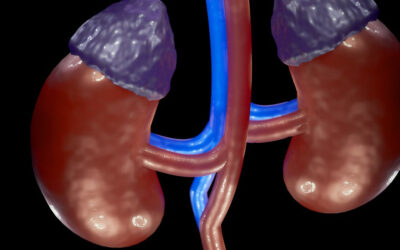
The adrenal glands are part of the endocrine system and serve as key endocrine glands in the human body. Their primary function is the production of essential hormones that promote the body's proper functioning; these include adrenaline and cortisol. The adrenal...

read more
Pituitary gland

Pituitary gland

The pituitary gland is an important gland. It is the size of a bean and is located at the base of the brain, between the ears and behind the nose.

read more
Prolactinoma

Prolactinoma

Prolactinomas are small, benign tumors that form just below the brain, in an organ called the pituitary gland. This means they are not cancerous. They are more common in women under the age of 50. These tumors can cause symptoms such as galactorrhea and amenorrhea in women, or reduced libido in men.

read more
Hyperthyroidism

Hyperthyroidism

Hyperthyroidism is defined as the condition in which the thyroid gland produces an excessive amount of thyroid hormones, which control how the body uses and stores energy.

read more
Addison’s disease

Addison’s disease

The adrenal glands are small organs located above the kidneys. They produce various hormones. These hormones have several functions, such as maintaining blood pressure and blood sugar levels within the normal range.

read more