

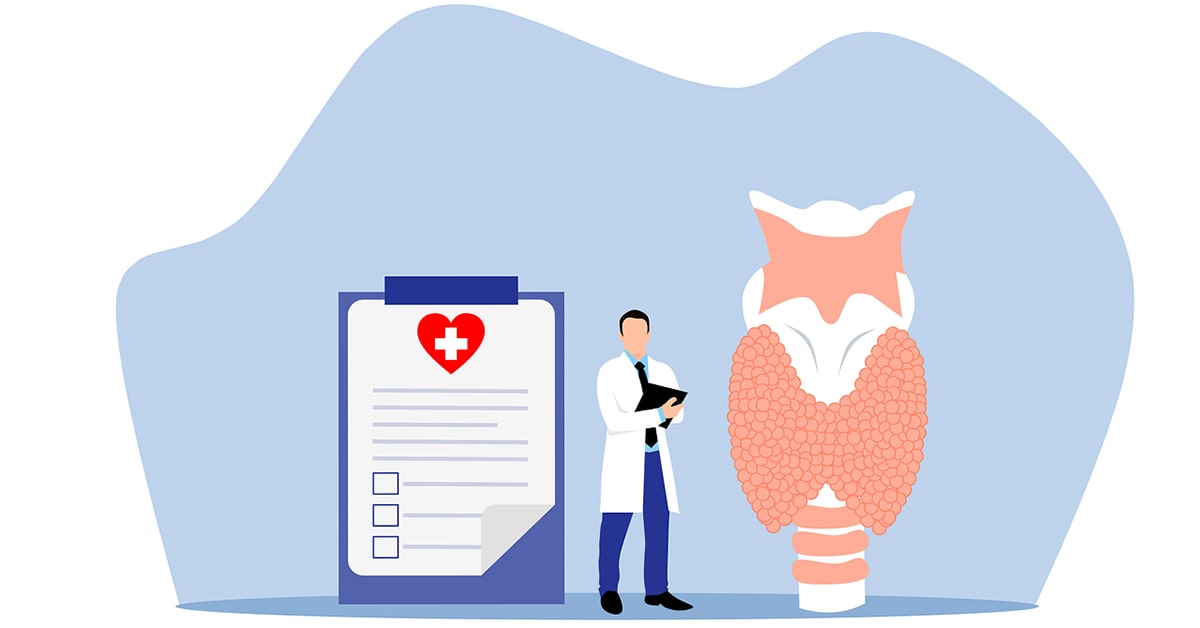
The parathyroid glands are located behind the thyroid gland. There are typically four of them, though their number can vary. Their primary function is to regulate blood calcium levels (via parathyroid hormone) by acting on the bones and kidneys. Functional disorders involve the production of parathyroid hormone at levels higher than normal, a condition that can be caused by hyperplasia, adenoma, or carcinoma of the parathyroid glands. The result of parathyroid hormone hypersecretion is an increase in blood calcium levels, leading to the subsequent appearance of symptoms affecting the neuromuscular and gastrointestinal systems.
Parathyroid glands and hyperparathyroidism
The above condition, also known as hyperparathyroidism, can be primary, secondary or tertiary. Primary hyperparathyroidism involves a disorder of the parathyroid glands and, more rarely, is caused by cancer, while secondary and tertiary hyperparathyroidism involve a response of the parathyroid glands to other conditions, such as chronic kidney failure.
Primary hyperparathyroidism is the most common cause of elevated calcium levels in the blood in the general population and usually affects women over the age of 45.
Secondary hyperparathyroidism is less common. In this case, the increased production of parathyroid hormone is caused by an underlying health condition, such as kidney failure or absorption problems that may lead to vitamin D deficiency.
Tertiary hyperparathyroidism is rare and occurs in some patients with secondary hyperparathyroidism, who may develop enlarged (hyperplastic) parathyroid glands that become overactive.
Parathyroid Glands: Parathyroid Cancer
Parathyroid carcinoma is a rare condition affecting less than 1% of patients with primary hyperparathyroidism and is characterized by very high parathyroid hormone levels. Over time, the patient may develop nephrolithiasis, abdominal pain, thirst, loss of appetite, nausea, osteoporosis, bone fractures, confusion, and muscle weakness.
Parathyroid glands: Hypoparathyroidism
Hypoparathyroidism is a condition in which an abnormally low amount of parathyroid hormone is produced. This, in turn, has the opposite effects to those described above. As a result, there are low levels of calcium in the blood and bones and increased levels of phosphorus.
It is usually a chronic condition, and treatment is based on the long-term use of medications that regulate calcium and phosphorus levels.
Symptoms of hypoparathyroidism include numbness, muscle cramps, weakness, fatigue, lethargy, anxiety, depression and psychosis. Health problems associated with hypoparathyroidism include dental disorders, osteoporosis, arrhythmias and loss of consciousness.
These are associated with low calcium levels and improve with the intake of calcium and vitamin D.
Parathyroid Glands: Surgical Management of Disorders
The treatment of the aforementioned parathyroid disorders is primarily surgical, as removal of the affected gland is the only effective treatment. If all the parathyroid glands are hyperplastic, then 3½ glands are removed.
Before surgery, the first step is to locate the affected gland or glands. Ultrasound, computed tomography (CT), magnetic resonance imaging (MRI) and a neck scintigraphy scan play an important role in this process.
The procedure is performed under general anesthesia. A very small incision of approximately 2–3 centimeters is then made in the neck, through which the affected gland or glands are removed. Special endoscopic instruments make it possible to magnify and display the surgical field on a monitor, allowing the surgeon to perform the procedure effectively.
The surgical incision is made in such a way that it is concealed within the natural folds of the skin, and the sutures are placed intradermally.
If all the parathyroid glands are removed, autotransplantation is performed using the patient’s own parathyroid tissue, which is implanted into the muscles of the forearm in order to help regulate calcium levels in the body.
Following surgery, the patient may eat after approximately two hours and may follow a normal diet. The patient can speak normally and usually remains in the hospital for 24 hours.