

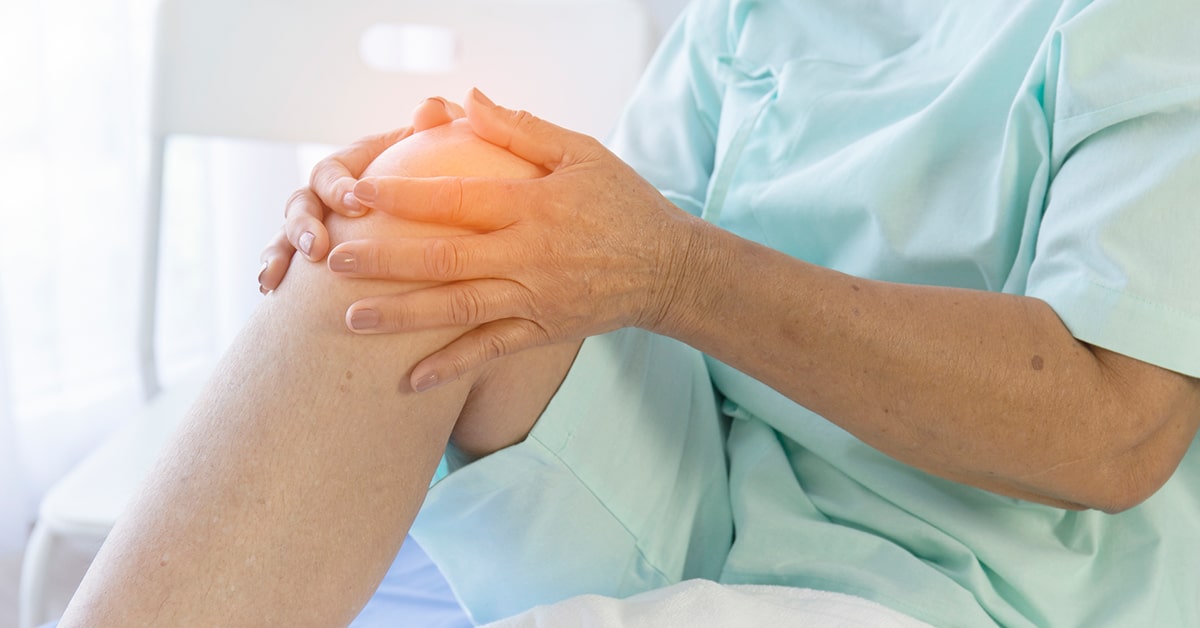
Osteoporosis is the most common bone disease. Its main characteristics are a decline in bone quality—specifically, low bone mass and disrupted bone structure—which results in reduced bone strength and an increased risk of fractures.
Osteoporosis: types
Osteoporosis is classified into two types: primary and secondary. The most common form is primary osteoporosis—specifically, postmenopausal osteoporosis. It affects women after menopause and results from reduced estrogen production. Next is senile primary osteoporosis, which affects both sexes equally; it occurs in individuals over the age of 70 and is the result of the body’s natural aging process.
Secondary osteoporosis occurs in individuals suffering from rheumatoid arthritis, thyroid gland dysfunction, hypogonadism, etc. Furthermore, it may develop in patients taking specific medications—such as cortisone, heparin, or antiepileptics—for extended periods.
Osteoporosis: who is at increased risk of developing it?
Those at increased risk of developing osteoporosis are characterized by:
- Those with a positive family history
- Women who enter menopause prematurely, for example due to a hysterectomy
- Those who follow a diet low in vitamin D and calcium
- Those who fall into the category of smokers
- The extremely underweight
- Those receiving long-term corticosteroid therapy
- Those who consume excessive amounts of alcoholic beverages
- Those who do not exercise and lead a sedentary lifestyle
- Those with a very fair skin phototype
Osteoporosis: what is the prevalence?
Osteoporosis develops after the age of 50 and affects women at a much higher rate than men. According to epidemiological studies conducted in various countries, osteoporosis affects approximately 35% of women and 18% of men over the age of 50. In Greece, 28.4% of women aged 50 and older suffer from osteoporosis, yet—distressingly—about 70% of them are unaware of it.
Osteoporosis: what are the symptoms?
For a long period, osteoporosis is completely asymptomatic. This means that a person may suffer from the disease for years without realizing it. The first symptom is usually a fracture. Unfortunately, however, by the time this occurs, osteoporosis has already compromised bone structure and bone mass.
A fracture can occur anywhere in the skeleton, but it most commonly affects the femur, vertebrae, or forearm following a simple fall. Consequently, a preventive bone mass measurement test is essential for individuals belonging to the previously mentioned high-risk categories, as well as for those over the age of 50.
Osteoporosis: How is it diagnosed?
Osteoporosis can be diagnosed relatively easily when a fracture has already occurred, through the evaluation of the patient’s medical history, a clinical examination and bone mineral density measurement. The question, however, is whether osteoporosis can be diagnosed before a fracture occurs.
The only way to achieve this is for the individual to undergo a bone mineral density test. When the examination is performed in individuals under the age of 60, the measurement is taken at the lumbar spine, while in individuals over the age of 60, it is taken at the femur.
Although several methods are available for measuring bone mineral density, the most reliable method is DEXA (Dual-Energy X-ray Absorptiometry), also known as dual-energy X-ray absorptiometry.
It is a painless, simple, and quick examination that does not expose the patient to harmful radiation.
Osteoporosis: Is there a cure?
Current treatments cannot achieve the complete replacement of lost bone mass or fully restore the disrupted bone structure. However, we have therapeutic methods at our disposal that, if applied correctly, can achieve:
- Increase in bone mass to a satisfactory level
- Halting further bone loss
- Reduction of the risk of fracture
Various pharmaceutical agents are currently administered that act by increasing bone formation and inhibiting bone resorption. The most important of these are:
- Vitamin D supplement
- Calcium Supplement
- Estrogens
- Bisphosphonates
- Calcitonin
- Parathormone
- Denosumab
- Strontium ranelate
- Teriparatide
- Raloxifene
The medication regimen selected to combat osteoporosis depends on each patient’s specific case, their general health status, and the results of the bone density test.
Osteoporosis: prevention
People of all ages should receive accurate and timely information regarding osteoporosis and how to prevent it. The foundation of prevention lies in achieving the highest possible bone density by the age of 20—that is, successfully building strong, healthy bones during childhood and adolescence. Maintaining this bone density up to the age of 45 and beyond also plays a crucial role. To achieve this, it is essential that individuals:
- They follow a proper diet, rich in dairy products.
- Incorporate mild forms of exercise into their daily routine, such as walking or swimming.
- To quit smoking, if they fall into the category of smokers.
- Consume alcoholic beverages in moderation.